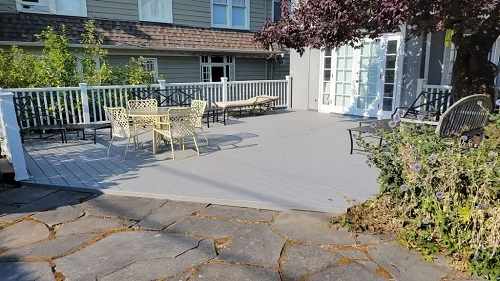
Outdoor living spaces have become an important part of modern home design. Homeowners increasingly value comfortable and functional outdoor areas where they can relax, entertain guests, and enjoy fresh air throughout the year. Among the most popular outdoor upgrades is the addition of a well-designed deck. Whether attached to the home or built as a standalone feature, decks provide versatile spaces that improve both property appearance and daily living. Many homeowners searching for outdoor renovation ideas often begin by exploring the role of a Bellevue Deck Contractor in planning and building durable deck structures.
Deck construction involves more than simply adding a wooden platform to a backyard. A successful deck project requires thoughtful planning, quality materials, structural safety, and design features that complement the surrounding home and landscape. The size, layout, and intended use of the deck all influence the planning process.
One of the first considerations in deck design is how the space will be used. Some homeowners want a quiet area for relaxation, while others prefer larger entertainment spaces for gatherings and outdoor dining. Identifying the primary purpose of the deck helps determine the layout, seating arrangements, and additional features that may be included.
Material selection is another important aspect of deck construction. Traditional wood remains a popular option because of its natural appearance and timeless appeal. Cedar, redwood, and pressure-treated lumber are commonly used for outdoor deck projects. Composite materials have also gained popularity due to their durability and lower maintenance requirements.
Composite decking is made from a blend of recycled wood fibers and synthetic materials. These boards resist moisture, fading, and insect damage, making them suitable for long-term outdoor use. While composite materials may have higher initial costs, they often require less maintenance compared to natural wood.
Proper structural support is essential for deck safety and longevity. Foundations, beams, joists, and railings must all be installed according to building standards. A stable foundation helps the deck withstand weather conditions and regular use over time.
Weather conditions are an important consideration for outdoor construction projects. Rain, moisture, and temperature changes can affect deck materials if they are not properly protected. Sealing, staining, or using weather-resistant materials helps extend the lifespan of the structure.
Deck railings contribute both to safety and visual design. Railings may be made from wood, metal, glass, or composite materials depending on the desired appearance. Modern deck designs often incorporate sleek railing systems that preserve outdoor views while maintaining safety standards.
Lighting is another feature that can enhance the usability of outdoor spaces. Integrated deck lighting improves visibility during evening hours and creates a more inviting atmosphere. Stair lighting, post lights, and recessed fixtures are common additions in modern deck projects.
Outdoor seating areas are often central to deck design. Built-in benches, dining spaces, and lounge furniture help create comfortable environments for social gatherings or personal relaxation. The arrangement of seating should support movement while maximizing available space.
Multi-level decks have become increasingly popular for homes with sloped yards or large outdoor areas. These designs create separate zones for dining, entertaining, and relaxation while adding visual interest to the landscape. Multi-level structures can also improve accessibility between indoor and outdoor areas.
Another growing trend in outdoor design is the integration of covered deck features. Pergolas, awnings, and roof extensions provide shade and protection from weather conditions. Covered spaces allow homeowners to enjoy outdoor living more comfortably throughout different seasons.
Storage solutions can also be incorporated into deck designs. Built-in storage benches or under-deck compartments help homeowners organize outdoor equipment, cushions, and gardening tools without taking up additional yard space.
Landscaping plays an important role in complementing deck construction. Plants, pathways, and decorative elements help create a seamless connection between the deck and the surrounding yard. Thoughtful landscaping enhances the overall appearance of the outdoor environment.
Color selection influences the visual style of the deck. Neutral wood tones create a natural look, while darker stains or modern composite colors can provide a more contemporary appearance. Choosing colors that complement the home exterior helps create a cohesive design.
Outdoor kitchens and grilling areas have become popular additions to deck spaces. Built-in cooking stations, countertops, and dining areas support outdoor entertaining and make the deck more functional for family gatherings.
Privacy considerations may also affect deck planning. Screens, fencing, or strategically placed plants can create more secluded outdoor spaces. Privacy features help homeowners enjoy their decks comfortably while reducing distractions from neighboring properties.
Maintenance requirements vary depending on the chosen materials. Natural wood decks typically require regular sealing or staining to protect against moisture and sun exposure. Composite materials generally need less maintenance but still benefit from periodic cleaning.
The role of a Bellevue Deck Contractor often includes coordinating design planning, material selection, permitting, and construction management. Proper planning and professional oversight help ensure that the finished deck meets safety standards and aligns with the homeowner’s vision.
Building codes and permits are important aspects of deck construction. Local regulations may specify requirements related to railings, stair dimensions, structural support, and setbacks from property lines. Compliance with these standards ensures safe and legally approved construction.
Budget planning is another critical part of deck projects. Costs may vary depending on deck size, material choices, design complexity, and additional features. Establishing a realistic budget helps homeowners prioritize important elements while managing expenses effectively.
Sustainability has also become a growing focus in outdoor construction. Some homeowners choose environmentally friendly materials or recycled composite products to reduce environmental impact. Sustainable design choices can contribute to long-term resource conservation.
Another important consideration is accessibility. Features such as wider stairs, smooth transitions, and stable surfaces can improve usability for individuals of different ages and mobility levels. Accessible designs help create outdoor spaces that are comfortable for everyone.
Outdoor heating features are sometimes included in deck projects to extend usability during cooler seasons. Fire pits, patio heaters, or outdoor fireplaces create warmth and encourage year-round use of the space.
Deck construction can also increase property value. Attractive and functional outdoor living areas are often viewed as desirable features by potential buyers. A well-designed deck can enhance curb appeal and contribute positively to overall home value.
Long-term durability depends on proper installation and maintenance. Routine inspections, cleaning, and repairs help preserve the structure and appearance of the deck over time. Addressing small issues early can prevent larger maintenance problems in the future.
Ultimately, deck construction is about creating an outdoor environment that supports comfort, functionality, and enjoyment. Whether designed for quiet relaxation or active entertaining, a thoughtfully planned deck can become one of the most valuable and enjoyable features of a home.
LYD Construction



Write a comment ...