
Urban housing demands continue to grow as cities expand and populations increase. In many metropolitan areas, homeowners are searching for practical ways to maximize property space while maintaining comfort and functionality. One solution gaining significant attention is the addition of accessory dwelling units, commonly known as ADUs. These small residential structures are built on the same property as a primary home and can serve multiple purposes, including guest housing, rental units, home offices, or living spaces for family members. As interest grows in flexible housing options, many homeowners begin researching ADU Contractors in Seattle WA to better understand how these projects are planned and constructed.
Accessory dwelling units offer a creative approach to expanding living space without requiring the purchase of additional land. These units are typically smaller than the main house but are fully functional living spaces. They often include a bedroom, bathroom, kitchen area, and living space designed for independent use. Because they provide a complete residential setup, ADUs can serve a variety of housing needs for modern families.
The popularity of ADUs has increased in cities where housing costs continue to rise. By building an additional living unit on an existing property, homeowners can create more affordable housing options while increasing property value. In many cases, these units are used to accommodate aging family members who prefer to live close to relatives while maintaining independence.
Local zoning regulations often play an important role in determining whether an ADU can be built on a particular property. Cities may establish guidelines regarding lot size, building height, property setbacks, and parking requirements. Understanding these regulations is a key part of planning any ADU project.
One of the advantages of ADUs is their flexibility in design. Some units are detached structures built in the backyard, while others are attached extensions connected to the main home. There are also conversions where existing garages or basements are transformed into livable spaces. Each design approach offers different benefits depending on the available space and the homeowner’s goals.
Detached ADUs are often built as separate small homes located behind the primary residence. These units offer privacy for both the homeowner and the occupants. Because they are separate structures, detached ADUs can function almost like standalone houses within the same property.
Attached ADUs, on the other hand, are integrated into the existing structure of the home. They may share a wall with the main house but have their own private entrance and living facilities. This option can sometimes be more cost-effective because it shares certain utilities and structural components with the main building.
Garage conversions have also become a popular ADU option. Many homes have underutilized garages that can be transformed into comfortable living spaces. Converting an existing structure often requires fewer construction materials than building a completely new unit.
Homeowners exploring ADU projects frequently consider both design and functionality. Efficient layouts are essential because ADUs are typically smaller than traditional homes. Designers often focus on maximizing space through open floor plans, multifunctional furniture, and smart storage solutions.
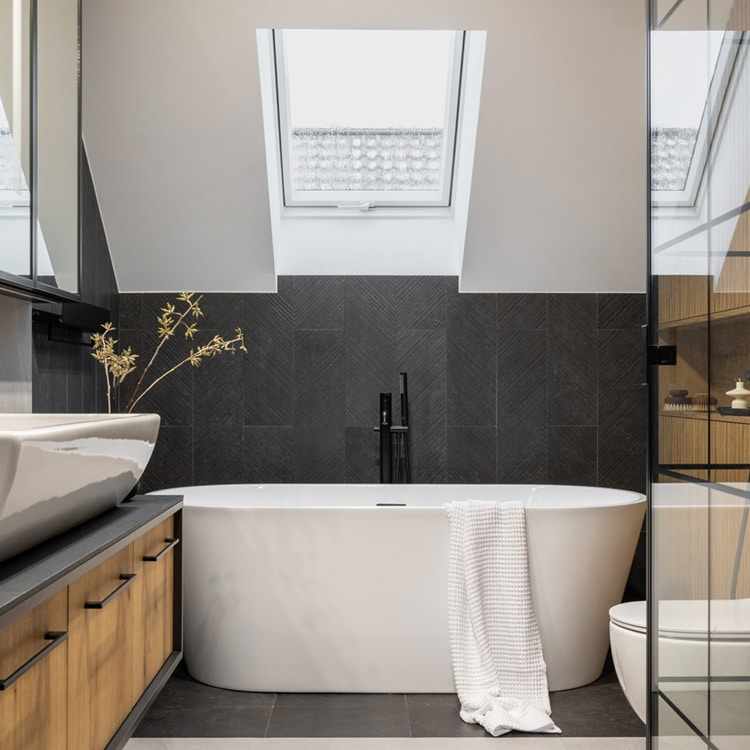
Natural lighting is another important factor in small home design. Large windows, skylights, and glass doors can make compact spaces feel larger and more inviting. These design features also improve energy efficiency by reducing the need for artificial lighting during the day.
Energy efficiency is an important consideration in modern housing construction. Many ADU projects incorporate sustainable building materials, energy-efficient appliances, and improved insulation systems. These features help reduce long-term energy costs while supporting environmentally responsible construction practices.
Another key factor in planning an ADU is utility connections. The new unit may need connections to water, electricity, sewer systems, and internet services. Proper planning ensures that these systems are integrated smoothly without disrupting the primary residence.
Homeowners who explore ADU development often consider the potential financial benefits. In some cases, the additional unit can generate rental income, helping offset mortgage costs or property expenses. However, rental regulations vary depending on local laws, so it is important to understand the requirements before using an ADU for this purpose.
Families may also use ADUs to support multi-generational living arrangements. Elderly parents, adult children, or extended family members can live in the unit while remaining close to the main household. This setup provides both independence and proximity, which many families find beneficial.
The planning phase of an ADU project typically involves evaluating property conditions, reviewing zoning guidelines, and developing a suitable architectural design. Once the design is finalized, construction planning begins, including material selection, scheduling, and cost estimation.
Many homeowners interested in accessory dwelling units also research the Best ADU builders in Seattle to understand common design trends and construction methods used in the region. Local building expertise is often valuable because contractors familiar with regional codes and environmental conditions can better navigate the permitting process.
The permitting process is an important step in ADU construction. Building permits ensure that the project complies with safety regulations and structural standards. Inspections may occur at different stages of construction to confirm that the work meets approved plans.
Construction timelines for ADU projects vary depending on design complexity and site conditions. Smaller units or garage conversions may take a few months to complete, while larger or detached units may require longer timelines due to foundation work and structural construction.
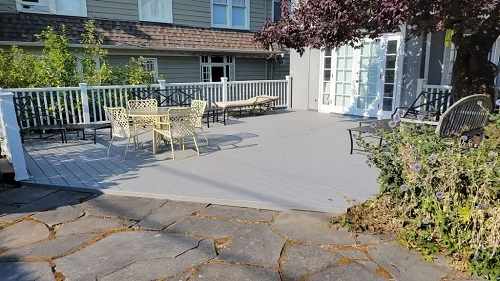
Outdoor design can also enhance the appeal of an ADU property. Landscaping, pathways, and privacy fencing can create a welcoming environment that separates the unit visually from the main house while maintaining overall property harmony.
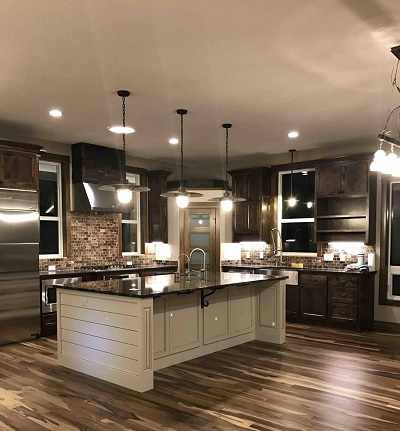
Interior design choices play a significant role in maximizing comfort within compact living spaces. Neutral color palettes, built-in storage systems, and efficient kitchen layouts can make small homes feel spacious and functional.
Modern ADUs often include smart home technologies that improve convenience and energy management. Features such as programmable thermostats, smart lighting systems, and energy-efficient appliances contribute to sustainable living.
Maintenance considerations are also important when adding a secondary dwelling unit. Proper construction materials and quality workmanship help ensure that the structure remains durable and easy to maintain over time.
Another benefit of ADUs is their contribution to housing diversity in urban communities. As cities continue to grow, smaller housing units provide alternative living options for individuals, couples, or small families who may not require larger homes.
Urban planners often recognize ADUs as a valuable tool for addressing housing shortages. By allowing additional living spaces within established neighborhoods, cities can increase housing availability without requiring large-scale development projects.
Community acceptance of ADUs has grown in recent years as more homeowners recognize their practical benefits. These units provide flexible living arrangements while making efficient use of existing property space.
Ultimately, accessory dwelling units represent a modern approach to residential design that supports changing housing needs. By combining efficient architecture with thoughtful planning, homeowners can create functional living spaces that add value and versatility to their properties.
LYD Construction



Write a comment ...